Compare Local Contractors for Energy Audit Services
Compare local contractors for energy audits to clarify scope, verify experience, and set clear expectations, ensuring a well-informed decision aligned with your property goals.
Energy audit services provided by local contractors typically involve a thorough assessment of a property's energy use and efficiency. This process often includes inspecting insulation, heating and cooling systems, windows, doors, and lighting to identify areas where energy consumption can be optimized. Some audits may also involve analyzing utility bills and utilizing specialized tools or software to pinpoint inefficiencies. The goal is to give property owners a clear understanding of how energy flows through their building and to highlight opportunities for improvement that can enhance comfort and reduce waste.
Defining the scope of an energy audit is a critical step that influences the quality and usefulness of the results. A well-defined scope clarifies what aspects of the property will be examined, what measures or systems will be evaluated, and what specific outcomes are expected. This helps ensure that the assessment addresses the property owner’s goals and provides actionable insights. Clear scope definitions also facilitate better communication with service providers, helping to set realistic expectations and avoid misunderstandings about what the audit will cover.
Property owners seeking to compare local contractors for energy audit services should focus on verifying experience and expertise relevant to the scope of work. It’s advisable to review the types of properties each contractor has previously served and to ask about their approach to assessing different systems and building components. When evaluating options, it’s helpful to consider how each service provider plans to document findings and whether they can deliver a comprehensive report. Ensuring that scope expectations are clearly outlined in written agreements can help property owners make informed decisions and select the contractor best suited to meet their specific needs.
Compare local contractors by outlining your priorities, verifying experience, and setting clear expectations in writing.
- Compare Contractor Experience - review the background and expertise of local contractors to ensure they meet your project needs.
- Define Scope Clearly - outline specific energy audit requirements to align expectations with service providers.
- Verify Credentials and References - check references and past work to assess the reliability of local contractors.
- Document Agreements in Writing - ensure scope, responsibilities, and expectations are clearly detailed in the contract.

Clearly describe your project scope before comparing local contractors to ensure accurate service matching and expectations.
- Verify the experience and qualifications of local contractors performing energy audits. Ensure they have a clear understanding of your property type and energy systems.
- Compare the scope of services offered by different service providers to ensure comprehensive assessments. Look for detailed explanations of the audit process and what areas will be evaluated.
- Check that contractors can provide a written scope of work and detailed report after the assessment. This helps clarify expectations and deliverables before work begins.
- Assess the methods and tools used during the audit to ensure they meet industry standards. Inquire about diagnostic equipment and testing procedures employed by local contractors.
- Review the experience of service providers in performing energy audits similar to your property type. Seek references or case studies that demonstrate their expertise.
- Confirm that the scope of work and expectations are clearly documented in writing before engaging a contractor. A detailed agreement helps prevent misunderstandings and ensures accountability.
Use this to compare contractors, clarify scope, verify experience, and set clear expectations in writing.


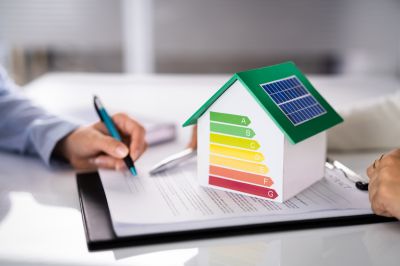

Use consistent comparison criteria to evaluate local contractors' scope, experience, and written expectations for energy audits.
- Define the scope of the energy audit service by specifying the areas and systems to be evaluated during the assessment.
- Verify the experience and background of local contractors to ensure they have relevant expertise in conducting energy audits.
- Establish clear expectations and deliverables in writing to outline what the energy audit will include and how findings will be communicated.
- Compare different service providers based on their scope offerings and approach to identify the most suitable options for the specific assessment needs.
- Ensure all aspects of the energy audit process are documented and agreed upon prior to work commencement.
When comparing contractors for an energy audit service, it’s important to assess their experience with similar projects. Homeowners should inquire about the types of properties they have previously worked on and whether they have handled audits for homes comparable in size, age, or construction style. A contractor with a proven track record in conducting thorough assessments in similar settings is more likely to understand the unique challenges and opportunities specific to the property. This familiarity can help ensure the audit results are accurate and relevant, providing a solid foundation for any recommended improvements.
A clearly written scope of work is essential when evaluating potential service providers. Homeowners should seek detailed descriptions of what the energy audit will include, such as the specific assessments, inspections, and analyses performed. A comprehensive scope helps set clear expectations and prevents misunderstandings about what services will be provided. When reviewing proposals or communications, look for transparency about the process and deliverables, ensuring that the scope aligns with the goals of the project and provides a basis for comparing different contractors’ offerings.
Understanding the basics of verification is key to selecting a qualified energy audit service. Homeowners should ask how contractors verify their findings, including the methods and tools used during the assessment. A reputable service provider will employ standard practices to confirm the accuracy of their evaluations, such as diagnostic testing or data collection techniques. Clarifying these verification methods helps ensure that the results are reliable and that subsequent recommendations are based on sound assessments, ultimately supporting informed decision-making about energy improvements.
When evaluating options for an energy audit, homeowners should focus on the contractor’s experience, the clarity of their scope, and their verification approach. It’s helpful to request written documentation of the scope and methods, which provides a reference point for comparison. Additionally, asking for examples of previous projects or references can offer insights into the contractor’s expertise and reliability. By carefully reviewing these aspects, homeowners can make more informed choices about which service providers are best suited to meet their needs, ensuring that the energy audit process is thorough, transparent, and tailored to their property.
Ask contractors to provide written scope details to ensure clear understanding and consistent expectations throughout the project.
- Experience and Credentials - What specific experience do local contractors have conducting energy audits in similar properties?
- Scope of Services - How do contractors define the scope of an energy audit to ensure all relevant areas are covered?
- Comparison of Offerings - What key differences should be considered when comparing the scope and approach of different service providers?
- Work Process and Methodology - How do local contractors typically approach the energy audit process and document their findings?
- Written Agreements - Are the scope, expectations, and deliverables clearly outlined in a written proposal or contract?
How can I compare different contractors for energy audits? It’s helpful to review their experience, services offered, and any available references to understand how they handle energy audits and ensure quality work.
What should I consider when defining the scope of an energy audit? Clarify which areas or systems need assessment, such as insulation, HVAC, or lighting, and communicate these needs clearly to ensure the contractor’s services meet your expectations.
How can I verify a contractor’s experience with energy audits? Ask for details about their previous projects, client references, or any examples of audits they have performed to gauge their familiarity with the process.
What is important to include in a written agreement with a contractor? Ensure the scope of work, responsibilities, deliverables, and any specific expectations are clearly documented to prevent misunderstandings.
Why is it beneficial to compare multiple contractors before choosing one? Comparing different service providers helps identify the one that best aligns with your needs and ensures you receive comprehensive and professional energy audit services.
What questions should I ask a contractor during the initial discussion? Inquire about their experience, the methods they use, how they define the scope of an audit, and how they communicate findings and recommendations.
This page has provided an overview of how to find and evaluate contractors for energy audit services. Visitors have learned the importance of defining the scope of work, verifying the experience of service providers, and setting clear expectations in writing. Comparing multiple local contractors can help identify the options that best align with specific needs and preferences.
To move forward, consider using the quote form to explore and compare available local service providers. This step can help find experienced contractors capable of handling energy audits, making it easier to make an informed decision based on the options available in the area.